



Creating a relaxing home workspace is essential for anyone looking to boost productivity while maintaining a sense of calm and well-being. Whether you work from home full-time or need a spot for occasional tasks, your environment can significantly impact how you perform and feel. In this post, we’ll explore practical tips to design a workspace that is both comfortable and conducive to focused work.
Why a Relaxing Workspace Matters
A cluttered or uninspiring workspace can increase stress and decrease efficiency. On the other hand, a well-organized, peaceful space encourages concentration, creativity, and motivation. When your surroundings support relaxation, you’re less likely to feel overwhelmed and more likely to stay on task.
Choose the Right Location
Find a Quiet Spot
If possible, select a quiet area of your home away from the main traffic zones. This helps minimize distractions and noise, allowing you to concentrate better.
Prioritize Natural Light
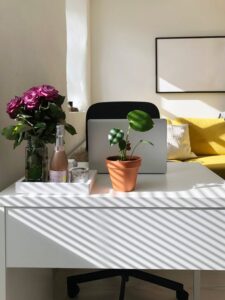
Position your desk near a window to benefit from natural light, which can boost mood and reduce eye strain. If natural light is limited, use soft, adjustable lighting to create a warm and comfortable atmosphere.
Invest in Comfortable Furniture
Ergonomic Chair and Desk
A comfortable chair with good lumbar support prevents back pain and encourages healthy posture. Pair it with a desk at the right height to keep your wrists and arms aligned while typing or writing.
Adjustable Furniture Options
Consider adjustable desks that allow you to switch between sitting and standing. This can improve circulation and help you feel more energized throughout the day.
Declutter and Organize
Keep Only Essentials on Your Desk
Limit items on your workspace to those you use daily. This reduces distractions and creates a clean, tidy look that can promote focus.
Use Storage Solutions
Incorporate shelves, drawers, or bins to store papers, supplies, and personal items. Labeling storage containers makes it easier to find things quickly and keep your space neat.
Personalize with Calm and Soothing Elements
Choose Relaxing Colors
Soft, muted tones like greens, blues, or neutrals tend to have calming effects. Avoid overly bright or harsh colors that may cause irritation or fatigue.
Add Natural Elements
Plants not only improve air quality but also create a serene environment. Small potted plants or succulents are low-maintenance options that bring life to your space.
Include Personal Touches
Incorporate items that make you happy or inspired, such as artwork, photos, or motivational quotes. Just be mindful not to overcrowd your desk.
Manage Technology Wisely
Use Noise-Canceling Headphones
If ambient noise is unavoidable, noise-canceling headphones can help block distractions and create a more peaceful work zone.
Organize Cables and Devices
Keep cables neat with clips or ties, and avoid letting devices multiply on your desk to prevent visual clutter.
Establish a Routine and Boundaries
Set Work Hours
Having clear start and end times helps separate work from personal life and reduce stress.
Take Breaks and Stretch
Remember to step away regularly to rest your eyes and stretch your body. Short breaks improve focus and prevent burnout.
Create a Soothing Sensory Experience
Use Aromatherapy
Scents like lavender, eucalyptus, or peppermint can promote relaxation and alertness. Use a diffuser or scented candles safely in your workspace.
Play Background Music or Nature Sounds
Soft instrumental music or sounds like rain or waves may help maintain concentration and reduce stress.
Keep Your Workspace Clean
Regularly dust and tidy your workspace to maintain a fresh and inviting environment. A clean space supports mental clarity and a positive mood.
—
By thoughtfully arranging your home workspace with these tips, you’ll create an environment that encourages relaxation and productivity. Remember that small changes can make a big difference in how you feel and perform during your workday. Happy decorating and working!