



Creating a home workspace that promotes relaxation and productivity can significantly improve how you feel and perform throughout the day. When your workspace is inviting and calming, it helps reduce stress and keeps you focused on your tasks. Whether you’re working remotely full-time or setting up a dedicated spot for occasional projects, these tips will guide you in designing a home office that supports both your productivity and well-being.
Why a Relaxing Workspace Matters
The environment where you work plays a big role in your mental and physical state. A cluttered or uncomfortable space can lead to distractions, fatigue, and even burnout. On the other hand, a well-thought-out workspace encourages you to stay attentive, creative, and calm. It promotes healthier habits, such as proper posture and regular breaks, which are essential for long-term wellness.
Choose the Right Location
Your workspace should be in a quiet, low-traffic area of your home. If possible, select a spot with natural light, as sunlight improves mood and energy levels. Avoid placing your desk near noisy appliances or high-traffic rooms. If space is limited, consider using a room divider or noise-canceling headphones to create a sense of separation and privacy.
Invest in Comfortable Furniture
Comfort is key when setting up a relaxing workspace. Choose an ergonomic chair that supports your back and encourages good posture. Pair it with a desk at the right height to prevent strain on your wrists and shoulders. Adjustable furniture is ideal, as it allows you to customize your setup to your body’s needs. If standing desks appeal to you, try alternating between sitting and standing to avoid stiffness.
Keep It Clean and Organized
Clutter can cause mental clutter, making it harder to focus and increasing stress. Keep your workspace tidy by regularly sorting papers, supplies, and gadgets. Use organizers such as shelves, drawer dividers, and desktop trays to store items neatly. Make a habit of clearing your desk at the end of each day—starting fresh in the morning can boost motivation.
Add Personal and Calming Elements
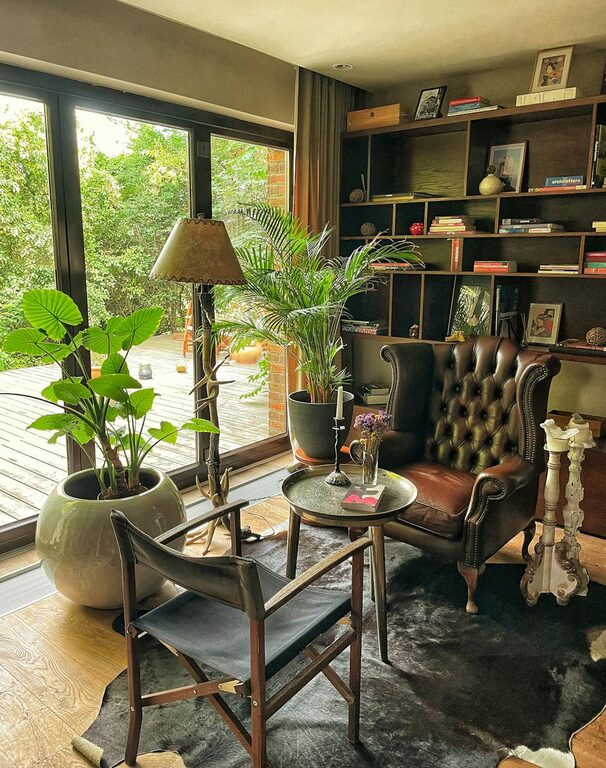
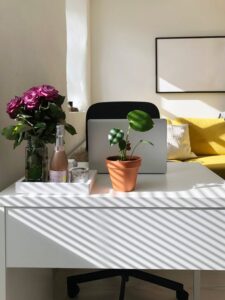
Small personal touches make your workspace feel welcoming and relaxing. Consider adding plants, which can improve air quality and add natural beauty. Choose artwork or photos that inspire you or bring positive memories. You might also use calming colors like soft blues or greens in your decor. Avoid overly bright or distracting patterns that could interfere with concentration.
Manage Lighting Thoughtfully
Proper lighting is essential for comfort and productivity. Aim for a combination of natural light and adjustable artificial light. Position your desk near a window when possible, but avoid glare on your screen. Use lamps with warm-toned bulbs to create a soothing atmosphere, and consider installing a dimmer switch to control brightness throughout the day.
Incorporate Soothing Sounds
Background noise can either help or hinder focus, depending on your preferences. Some people find white noise or soft instrumental music calming. There are many apps and playlists designed to create a peaceful sound environment. Keep the volume at a level that doesn’t distract but masks disruptive sounds. Alternatively, a quiet space with minimal noise might suit you best.
Maintain Good Air Quality and Temperature
Fresh air and comfortable temperature support alertness and well-being. Open windows when possible to circulate air, or use an air purifier to reduce allergens and dust. Keep the room at a moderate temperature—not too hot or cold—to maintain comfort throughout the day. Adding a small fan or heater can help regulate temperature locally.
Take Regular Breaks
Even the best workspace can’t replace the benefits of movement and rest. Schedule short breaks to stand, stretch, hydrate, or step outside briefly. These pauses refresh your mind, prevent physical discomfort, and boost creativity. Consider techniques like the Pomodoro method—working in focused intervals followed by breaks—to maintain consistent productivity.
Use Technology Wisely
Your devices should support your work without overwhelming you. Organize cables and chargers to minimize mess and distractions. Set up software tools that help with task management and communication. At the same time, set boundaries for device use—turn off non-essential notifications and avoid checking social media while working.
Establish Boundaries for Work and Rest
Creating clear boundaries between work time and personal time helps maintain balance. Use a dedicated workspace that you leave when your workday ends. Communicate your schedule to family or housemates to limit interruptions. Developing rituals that signal the start and end of work—such as changing clothes or tidying your desk—can help your brain switch modes.
—
Designing a relaxing home workspace is an investment in your productivity and well-being. By choosing an appropriate location, investing in comfort, keeping things organized, and personalizing your environment, you create a space that supports your best work. Remember to balance your setup with healthy habits and technology use to enjoy a harmonious and productive routine right at home.