


Creating a home office that feels inviting and encourages productivity can make a big difference in your work-from-home experience. Whether you’re working full-time from home or need a dedicated space for occasional tasks, designing an office that blends comfort with functionality helps boost focus and reduce stress.
In this post, we’ll explore practical tips for creating a cozy and productive home office space that suits your style and work needs.
Choose the Right Location
Selecting the ideal spot for your home office is the first step toward a productive workspace. Here are some factors to consider:
– Natural Light: Position your desk near a window if possible. Natural light helps improve mood and energy levels.
– Low Distractions: Pick a quiet corner or room where foot traffic and noise are minimal.
– Space Availability: Make sure there’s enough room for your desk, chair, and storage without feeling cramped.
If space is limited, even a small nook or part of a room can be turned into a functional office.
Invest in Comfortable and Functional Furniture
Comfort and ergonomics are essential to staying productive and avoiding discomfort during long work hours.
– Ergonomic Chair: Choose a chair with adjustable height, good lumbar support, and comfortable padding.
– Desk: Find a desk that fits your space and needs—consider one with enough surface area for your computer, notebooks, and accessories.
– Standing Desk Option: If possible, try a sit-stand desk to encourage movement throughout the day.
Remember, investing in quality furniture pays off in comfort and health over time.
Optimize Lighting
Proper lighting reduces eye strain and creates a welcoming environment.
– Layer Your Lighting: Use a combination of natural light, overhead lights, and task lighting like desk lamps.
– Avoid Glare: Position screens to reduce glare from windows or lights.
– Use Warm Lights: Soft, warm-colored bulbs add coziness and reduce harshness.
Adjustable lighting helps you tailor the brightness throughout the day.
Personalize Your Space
Adding personal touches can make your home office a place you enjoy spending time in.
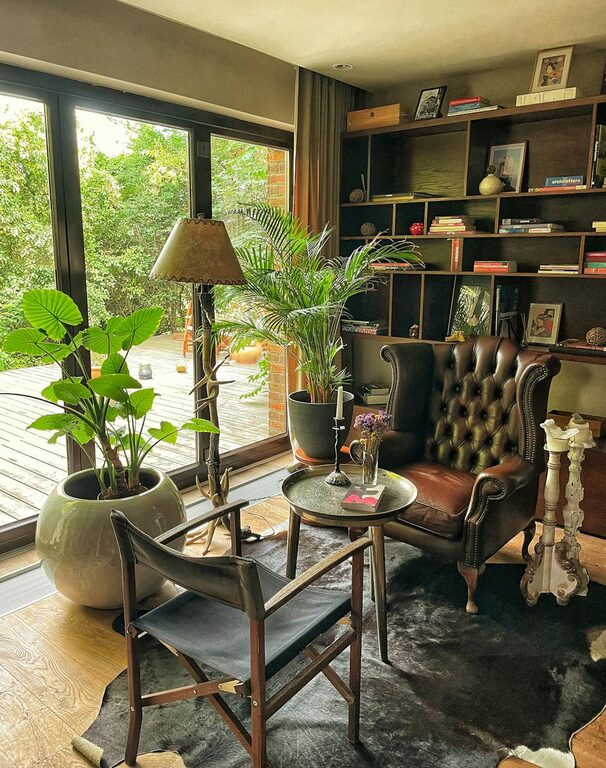
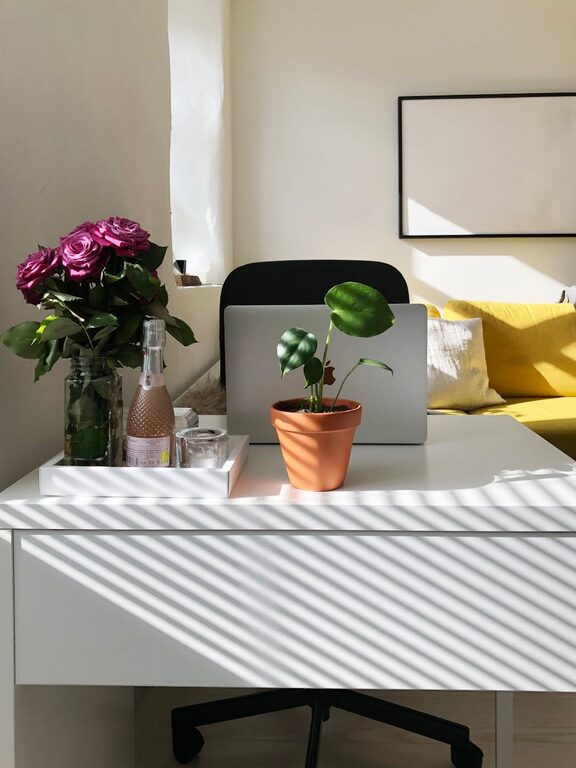
– Decor: Incorporate artwork, plants, or framed photos to add personality.
– Colors: Choose calming or inspiring colors for walls or accessories — blues and greens promote focus, while warm colors add coziness.
– Inspirational Items: Keep a vision board or motivational quotes nearby.
Balancing aesthetics with functionality ensures the space feels inviting without becoming cluttered.
Keep It Organized
A neat workspace promotes clear thinking and efficiency.
– Storage Solutions: Use shelves, drawers, or filing cabinets to keep supplies organized.
– Cable Management: Use clips or sleeves to tidy up cords and avoid a tangled mess.
– Daily Cleanup: Spend a few minutes each day tidying your desk to maintain order.
Consider using organizers or containers to separate and label items.
Incorporate Technology Wisely
Technology is central to a home office but should support productivity without creating distractions.
– Reliable Internet: Invest in a strong internet connection to avoid interruptions.
– Essential Devices: Use a good monitor, keyboard, and mouse that suit your workflow.
– Headphones: Noise-canceling headphones can help you focus in noisy environments.
– Limit Distractions: Turn off unnecessary notifications and keep personal devices out of sight while working.
Organize your desktop and digital files regularly for quick access.
Mind Your Comfort and Well-being
Prioritize your health to remain comfortable and alert.
– Temperature Control: Ensure your workspace is neither too cold nor too hot.
– Air Quality: Keep air fresh by opening windows or using an air purifier.
– Break Spaces: Create a nearby spot for short breaks to stretch, relax, or hydrate.
– Ergonomic Habits: Take breaks to stand, stretch, and rest your eyes periodically.
Small habits go a long way to maintaining energy and focus throughout your workday.
Add Elements That Boost Productivity
Certain design and lifestyle choices encourage efficient work habits.
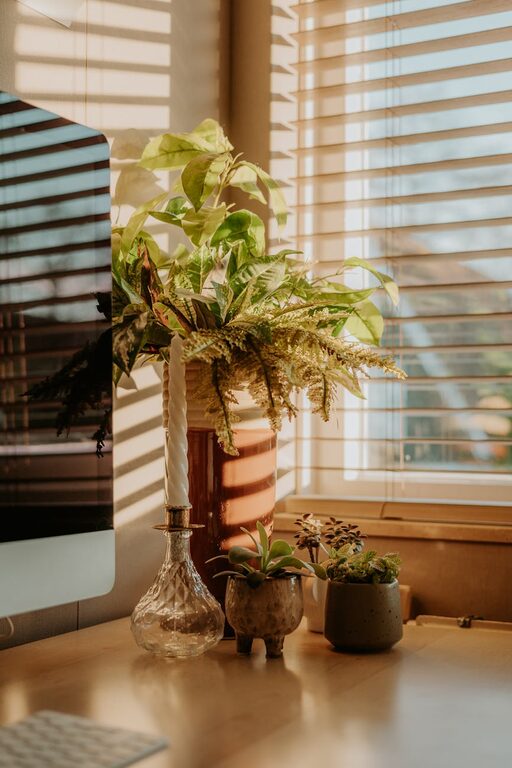
– Plants: Indoor plants can reduce stress and increase focus.
– Noise Control: Use rugs, curtains, or noise-dampening panels if sound is an issue.
– Task Lists and Planners: Keep a whiteboard or planner visible to track daily goals.
– Minimalist Setup: Limit clutter and distractions on your desk.
Experiment with these elements to find what best supports your productivity.
—
Creating a cozy and productive home office is about balance—combining comfort with functionality to support your specific work style. By thoughtfully choosing your location, furniture, lighting, and organization methods, you can build a workspace that feels like your own productive sanctuary.
Take time to personalize your office, and don’t hesitate to adjust your setup as your needs evolve. With the right environment, working from home can feel enjoyable and efficient every day.